A custom web application is priced around behaviour, not merely screens. A small form and a multi-branch transaction system can both look simple in a mockup while requiring different data and access controls.
Describe a thin vertical slice
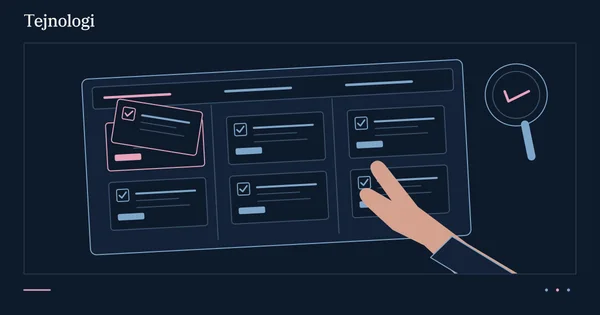
Consider a hypothetical purchase-request app for one office. A requester submits a record, a manager approves or rejects it, and both see the status. Login, list, form, detail and history are possible screens. Behind them sit identity, permissions, validation and storage.
Bound the first release: one organisation, two roles, one approval workflow, no automatic migration and no live payment integration. This is an illustration of scope, not a completed client project.
Build an estimate checklist
| Area | Scope question |
|---|---|
| Data | Is migration required and who cleans records? |
| Access | Which users may read or edit each record? |
| Workflow | What happens on rejection or duplicate requests? |
| Integration | Are documented APIs and a test environment available? |
| Acceptance | What tests demonstrate agreed behaviour? |
Complex approval rules, audit logs and accounting integrations may add substantial work without adding visible screens. Identify them before comparing quotes. Security requirements should be scoped explicitly; OWASP ASVS is one useful reference, not a certification claim.
Plan operating costs
Identity, databases, file storage, messaging and support may incur recurring charges. Confirm ownership of accounts, deployment, backups and future maintenance. A quote for a minimum viable application is not a quote for an entire ERP.
Our web application service describes the starting scope. Share a process diagram, sample data with sensitive fields removed, user roles and acceptance criteria when requesting a proposal.