Launching a website creates operational responsibilities. Domains expire, external links change, dependencies age and business information becomes outdated. Static sites reduce some runtime complexity but do not eliminate ownership and maintenance work.
Inventory the accounts
Record who controls the registrar, hosting, repository, CMS and third-party services. Establish authorised access and a recovery procedure. Avoid sharing administrator credentials across the whole team.
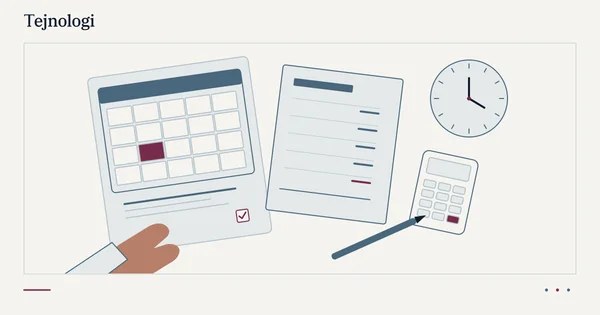
A monthly checklist
- Check important pages and contact paths.
- Review broken links and relevant error reports.
- Confirm domain renewal and certificate arrangements.
- Review applicable dependency updates.
- Confirm backups where the infrastructure supports them.
- Record content changes and outstanding work.
A backup existing somewhere is not evidence of recoverability. Test a restoration in an appropriate separate environment rather than overwriting production.
Define support boundaries
Updating a contact address or correcting a delivered defect differs from redesigning a site or implementing payments. Agree included hours, priorities and response expectations. An initial response target is not a guaranteed resolution time. Clarify what happens if a request exceeds the allocated hours.
Connect maintenance with discoverability
Google Search Console can help identify indexing and crawling issues. Some URLs are intentionally excluded; investigate the reason before assuming that every excluded URL needs to be indexed.
Our website maintenance service uses scoped support rather than an unlimited 24-hour service. Choose a plan according to the website’s actual operational needs, and review the handover before the original project closes.