Not every automated workflow needs a model. Deterministic rules are a good fit for clear conditions, such as routing an approval according to an amount threshold. AI-assisted extraction may help when the input is unstructured or inconsistent.
Draw the decision path
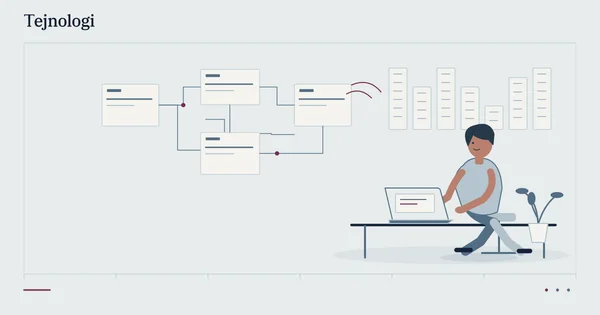
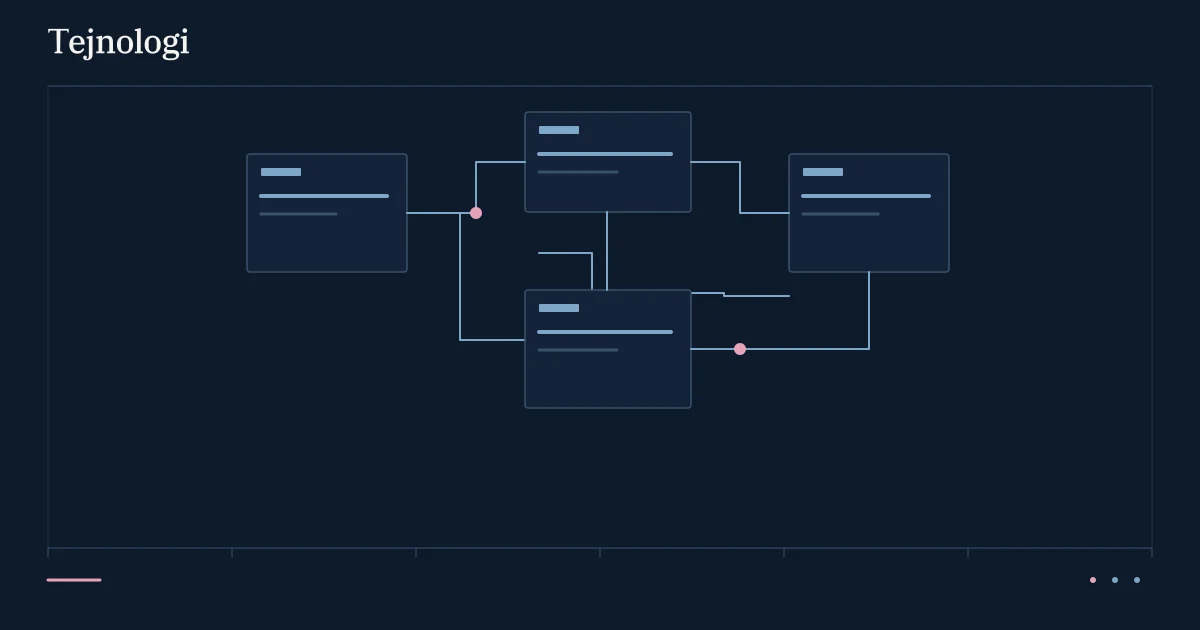
Consider an invoice workflow. Extract an invoice number, date and amount, validate required fields, and route uncertain cases for review. Only after approval should a system prepare the intended downstream action. An extraction result is not authority to pay a bill.
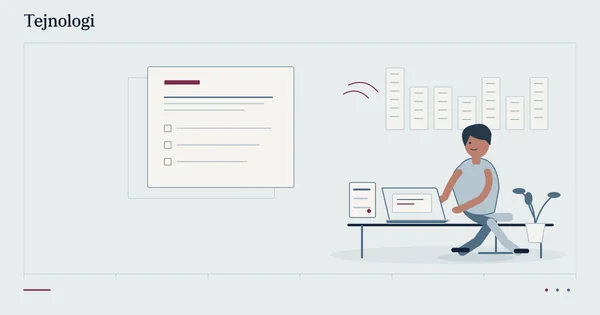
Separate deterministic validation from probabilistic extraction. Rules can check formats and permitted values. OCR or a model can propose field values. A human reviewer can resolve exceptions and trace the reason for an approval.
Establish a test baseline
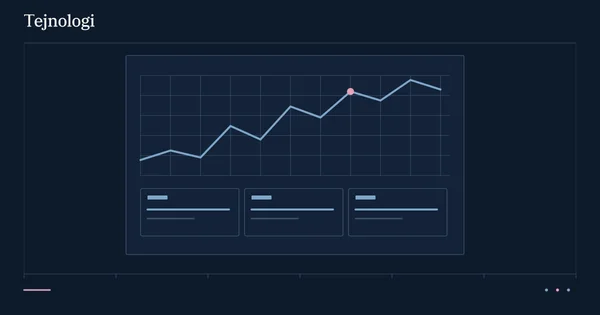
Collect representative documents you are authorised to use. Measure correct field extraction, correction rates and time required for review. Track exceptions separately from successful cases. Do not promise a percentage saving before measuring the previous process and pilot results.
Explore a bounded example
Tejnologi’s Adaptive Workflow Studio case study demonstrates PDF reading, OCR, validation and a branching rule flow in the browser. It is a sandbox: no actual email, purchase order or external system write occurs.
For production, assess data access, model cost, reliability, failure handling and external permissions. The NIST AI Risk Management Framework offers a structured way to discuss risk; it is not an endorsement or certification of our demo.
Start with one accountable process owner and a limited custom software engagement if the pilot has a clear success criterion.