Demand forecasting can support material planning, but a forecast is not automatically a purchase order. Stock on hand, open orders, lead times, minimum order quantities and uncertainty still influence replenishment.
Define the target and horizon
Are you predicting weekly units per SKU, or monthly material requirements for production? The forecast horizon should match the decision. Historical sales are not always identical to demand: stockouts or cancelled orders may distort recorded values.
Compare a baseline
Begin with a simple historical average or last-period forecast. Hold out later periods for evaluation so future information does not leak into model training.
For a hypothetical sequence, actual demand of 100, 120 and 80 units versus forecasts of 90, 110 and 100 produces absolute errors of 10, 10 and 20. Mean absolute error is about 13.3 units. This example illustrates a metric, not the performance of our software. Forecasting: Principles and Practice covers forecasting methods and evaluation.
Make the forecast actionable
Combine forecasts with current inventory, supplier lead time and open orders. Highlight unusual conditions and uncertainty rather than issuing an unreviewed purchasing recommendation. Evaluate whether an improved forecast actually supports a better decision.
Explore the demonstration
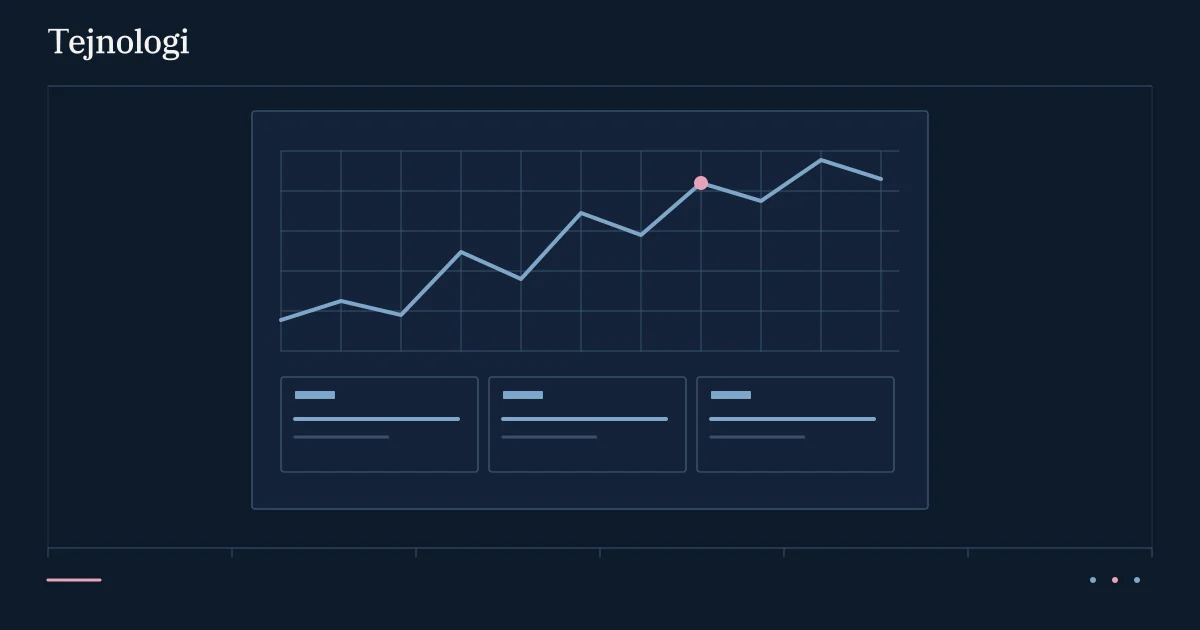
Our Material Forecasting case study presents precomputed CatBoost predictions and SHAP feature contributions from synthetic data. It has no live inference or connection to customer inventory systems. The purpose is to explore how forecast results and explanatory features can be presented.
For a custom software proof of concept, define the authorised data, a baseline, evaluation horizon and decision criteria before promising production accuracy.